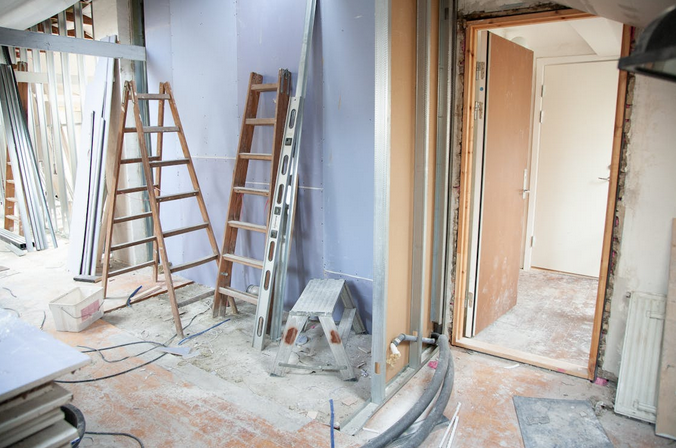
Preparation Tips Before Kicking Off a Major Home Renovation post thumbnail image

Are you gearing up for a major home renovation project in Sydney? Excitement and anticipation are probably building up as you imagine your dream space coming to life. But, before diving headfirst into the world of demolition and construction, it’s more than just a cherry on top to have a solid plan in place. Considering even the smallest details, like the living room and bathroom renovations cost in Sydney and even what colors suit the best for your daughter’s bedroom, is a must.

A well-prepared renovation strategy can make all the difference between a smooth process with stunning results or a stressful experience filled with unexpected surprises. In this blog post, we’ll share some crucial preparation tips that will set you on the right path toward achieving your ultimate home transformation goals – all while keeping your sanity intact. So, let’s get started on turning those dreams into reality.

Map Out Your Budget and Timeline

Embarking on a major home renovation journey in Sydney without a well-defined budget is like setting sail without a compass. To avoid financial pitfalls, start by determining how much you feel okay to spend on the project. Make sure to consider factors such as labor costs, permits, materials, and contingency funds for unforeseen expenses. Once you have your budget sorted out, it’s time to establish a realistic timeline. Keep in mind that larger projects may require more time for planning and execution. Allocate sufficient time for each stage of the renovation process – from design consultations to obtaining permits and completing construction work. If possible, be flexible with these two.

budget

Set a Safe Appliance Plan

When planning for a major home renovation, be sure not to overlook the safety aspect of your project. One key element of this is creating a safe appliance plan. Before beginning any work, take note of which appliances are going to be used and where they will be placed within the workspace. Ensure that all electrical outlets and wiring are up-to-date and able to handle the increased energy usage. If you’re bringing in new tools or machinery specifically for the renovation, make sure they have been tested and certified as safe by an appropriate authority. If not, you risk putting yourself at serious risk for injury or even death due to faulty equipment.

professional

Vet Your Contractor If You Go Pro

Aside from that, hiring a contractor in Sydney is often necessary. Sure, you have an option to go DIY. But going with a pro is also a good idea. Also, choosing the wrong one can lead to costly mistakes and delays. That’s why be sure to vet your contractor carefully before hiring them. I meant to take some time and check their credentials, experience, licenses, insurance, and everything to determine how good they are at the job. Once you’ve found the best one, talk to them and ask for suggestions on a realistic timeline for completion, depending on the range of work and the payment terms upfront.

Visualize the End Result and Spill It to the Colors and Materials Used

Renovating your home is just like crafting a statue out of nothing. You’ve got to keep a clear vision of the end result. Visualize what your desired space looks like before diving into any major renovations. Start by gathering inspiration from magazines, Pinterest boards, or even just taking pictures of other homes you love. After that, it’s time to spill it out onto the colors and materials used. This means selecting paint colors, flooring options, cabinetry finishes, and more that will bring your vision to life. Keep in mind not only what looks good aesthetically but also what fits with your lifestyle needs. See? Preparing for a home renovation in Sydney should not be such a real hurdle in life. A successful journey toward a major home renovation requires careful planning, budgeting, and decision-making to ensure that everything runs smoothly without any hiccups.

Related Post

rodent

Rodent Control at Home: Keeping Mice and Rats Out of Your Living SpacesRodent Control at Home: Keeping Mice and Rats Out of Your Living Spaces

Rodents like mice and rats are unwelcome guests in any home. Not only can they cause damage to property and contaminate food, but they also pose health risks to humans. Effective rodent control is essential to maintain a clean and safe living environment. Bed bugs are tiny, nocturnal insects that feed on human blood and can be challenging to detect and eliminate. In this article, we’ll explore strategies for keeping mice and rats out of your living spaces in a friendly and informative tone.

Understanding the Threat

threat

Mice and rats are notorious for their ability to squeeze through tiny openings and thrive in various environments. They can enter homes through gaps in walls, floors, ceilings, windows, doors, and utility pipes. Once inside, they seek food, water, and shelter, often nesting in hidden areas such as attics, basements, crawl spaces, and wall voids. Understanding the threat that rodents pose is the first step in effective rodent control.

Prevention Tips

Preventing rodent infestations starts with eliminating entry points and denying rodents access to your home. Yes, you can also choose to hire bed bug detection dogs & extermination, but there are some preventive measures you can take.

  1. Seal Entry Points: Inspect your home for cracks, gaps, and openings that rodents can use to enter. Seal gaps around pipes, vents, utility lines, doors, and windows with caulking or steel wool.
  2. Trim Vegetation: Keep vegetation trimmed and away from the exterior of your home. Overgrown bushes, trees, and shrubs can provide hiding spots and pathways for rodents to access your property.
  3. Secure Food Sources: Store food in airtight containers and avoid leaving food crumbs or spills unattended. Keep kitchen counters, floors, and dining areas clean to eliminate food attractants for rodents.
  4. Proper Waste Management: Dispose of garbage regularly in sealed bins, and keep outdoor trash cans secured with tight-fitting lids. Rodents are attracted to food waste and garbage bins left open.
  5. Maintain Cleanliness: Keep living spaces, storage areas, attics, and basements clutter-free and well-organized. Remove piles of debris, old newspapers, cardboard boxes, and unused items that rodents can use as nesting materials.

trap

DIY Rodent Control Methods

If you suspect rodent activity, there are DIY methods you can try to control the problem:

  1. Traps: Place snap traps or live traps in areas where rodents are active, such as along walls, near entry points, or in dark corners. Check traps regularly and dispose of captured rodents humanely.
  2. Rodent Baits: Use rodent baits or bait stations strategically placed in areas frequented by rodents. Follow manufacturer instructions carefully and keep baits out of reach of children and pets.
  3. Natural Repellents: Consider using natural repellents like peppermint oil, mothballs, or ultrasonic devices to deter rodents from entering your home. However, keep in mind that these methods may have limited effectiveness and should be used in conjunction with other control measures.

Professional Rodent Control Services

fogging

For severe or persistent rodent infestations, seeking professional rodent control services is recommended. Pest control professionals have the expertise, tools, and knowledge to assess the extent of the infestation, implement targeted treatments, and provide long-term solutions to keep rodents out of your living spaces.

Rodent control at home is essential for maintaining a healthy and pest-free environment. By understanding the threat of mice and rats, implementing preventive measures, monitoring for signs of rodent activity, and using appropriate control methods, you can effectively keep rodents out of your living spaces. Whether through DIY efforts or professional assistance, taking proactive steps toward rodent control ensures a safe and comfortable home for you and your family.

caution

Demolition Dangers: Why You Can’t Skip Asbestos InspectionsDemolition Dangers: Why You Can’t Skip Asbestos Inspections

When it comes to demolition, the focus often lies on structural integrity and project timelines. However, lurking beneath surfaces in older buildings is a hidden danger: asbestos. This naturally occurring mineral has long been known for its hazardous health risks. Yet, many still overlook the importance of thorough inspections before tearing down walls or floors. Asbestos doesn’t just pose an immediate threat; it can have lasting effects on both human health and the environment. Ignoring its presence may seem like an easy shortcut, but this decision could lead to severe consequences that far outweigh any perceived benefits.

Let’s unpack why skipping asbestos inspections should never be an option when planning a demolition project. If tackling asbestos feels overwhelming, letting the experts from asbestosremovaldisposal.com.au handle it safely and efficiently can help you focus on your project with peace of mind.

Hidden Asbestos Risks in Older Buildings

Many older buildings were constructed with materials containing asbestos. This was a common practice before the health risks became widely recognized. Consequently, it can be found in insulation, floor tiles, and even roofing materials. The danger lies in its undetectable nature. Asbestos fibers are microscopic and easily disturbed during demolition. Once released into the air, they pose a serious inhalation risk. Homeowners and contractors often underestimate how pervasive this hazardous material can be. Even seemingly harmless renovations could unearth hidden asbestos deposits tucked away behind walls or beneath surfaces. As time passes, these older structures may deteriorate further, increasing the likelihood of exposure to dangerous fibers. Identifying and managing these risks through professional inspections is crucial for ensuring safety throughout any demolition process.

Severe Health Consequences

Asbestos exposure can lead to serious health issues. When fibers are inhaled, they settle in the lungs and cause inflammation over time. This often results in devastating diseases. One such condition is mesothelioma, a rare but aggressive cancer directly linked to asbestos exposure. Symptoms may not appear until decades later, making early diagnosis challenging. Lung cancer is another significant risk associated with asbestos. Those who smoke and are exposed face an even greater danger than non-smokers. Asbestosis, a chronic lung disease caused by prolonged inhalation of asbestos particles, leads to shortness of breath and persistent cough. Individuals suffering from asbestosis endure a lower quality of life and increased healthcare needs. These health consequences highlight the urgent need for thorough inspections before any demolition work begins. Ignoring this crucial step puts everyone at risk—workers, neighbors, and future occupants alike.

Environmental Contamination Risks

Environmental Contamination Risks

Demolition activities can disturb hazardous materials, releasing harmful asbestos fibers into the air. Once airborne, these tiny particles pose a significant risk to public health and the environment. Asbestos doesn’t just affect those on-site; it can travel far beyond demolition boundaries. Wind and weather conditions play a huge role in dispersing these contaminants throughout neighborhoods. This puts residents, workers, and even wildlife at risk. Water sources are also at stake. If asbestos finds its way into drainage systems or local water supplies during demolition, the consequences could be dire. Contaminated water is a serious concern that impacts entire communities. Ignoring proper inspections before any demolition work increases this environmental threat exponentially. It’s not just about safety for today—it’s about protecting our ecosystems for future generations as well.

Legal and Financial Repercussions

Neglecting asbestos inspections during demolition can lead to serious legal issues. If hazardous materials are disturbed, property owners may face hefty fines. Regulatory bodies impose strict guidelines for handling asbestos, and non-compliance is rarely overlooked. Financial repercussions can be steep as well. Cleanup costs often skyrocket when violations occur, especially if clean-up crews must be hired on short notice. Moreover, lawsuits from affected workers or neighboring properties can drain resources quickly. Insurance claims may also become complicated. Many policies exclude coverage related to asbestos exposure if proper inspections weren’t conducted beforehand. The ripple effect of ignoring safety protocols extends beyond immediate expenses. Your reputation in the community could suffer long-term consequences too, affecting future projects or investments significantly.

The Cost of Ignoring Safety Measures

Ignoring safety measures during demolition can lead to significant financial repercussions. When asbestos is present, the costs of remediation can escalate rapidly. First, there are immediate expenses related to emergency responses and cleanup efforts. If an incident occurs, hiring specialized professionals becomes necessary, often at a premium rate.  Then there’s the potential for lawsuits if workers or bystanders experience health issues due to negligence. Legal fees and settlements can drain resources quickly.

Insurance premiums may also rise following a claim linked to hazardous materials exposure. This could impact future project budgets significantly. Additionally, fines from regulatory agencies for non-compliance with safety standards add another layer of cost.  When you weigh these factors against the expense of conducting thorough inspections beforehand, it’s clear that cutting corners doesn’t save money in the long run; it merely shifts risk onto your shoulders.

living room

The Heart of the Home: How to Create a Cozy and Inviting Living RoomThe Heart of the Home: How to Create a Cozy and Inviting Living Room

The living room is often considered the heart of a home. It’s where we gather with family, entertain friends, and unwind after a long day. A cozy and inviting space can transform ordinary moments into cherished memories. Whether you’re hosting a game night or curling up with a book, creating an environment that feels warm and welcoming is essential. Imagine soft lighting casting gentle shadows across your favorite couch while the scent of fresh coffee fills the air. This isn’t just about aesthetics; it’s about crafting an experience that makes everyone feel at ease. Let’s explore some simple yet effective ways to enhance your living room, making it the ultimate haven for relaxation and connection.

Choose a Warm Color Palette

When it comes to creating a cozy living room, the right color palette makes all the difference. Warm tones can instantly elevate the comfort level of your space. Think about rich earth tones like terracotta, soft browns, and muted yellows. These hues evoke feelings of warmth and relaxation. Adding splashes of deep reds or golden oranges can enhance that inviting atmosphere. Consider using paint, accents, or even artwork to bring these colors into your design. A featured wall in a warm shade can create a focal point while setting an overall inviting mood.

Consider Adding a Carpet

Perth carpet cleaning services should be on your list if you want to add a carpet in your living room. A carpet can transform your living room into a warm sanctuary. It adds texture and depth to the space, making it feel more intimate. Consider the size carefully. A larger carpet can anchor your furniture, bringing everything together beautifully. On the other hand, smaller rugs can create cozy zones within a bigger area. When choosing materials, think about comfort underfoot. However, you must clean your carpet to maintain freshness.

rug

Select Comfortable Furniture

Choosing the right furniture is crucial for creating a cozy living room. Comfort should be your top priority. Think about sofas that invite you to sink in and relax after a long day. Consider sectional sofas or oversized chairs, which offer ample seating for family and friends. Look for soft upholstery materials like velvet or chenille that feel great against the skin. Don’t forget about the importance of proper support. Test each piece before purchasing; sit, lean back, and see how it feels.

Add Seasonal Touches

Seasonal touches breathe life into your living room. They create an ever-evolving atmosphere that reflects the time of year. In spring, think of fresh florals and pastel hues. A vase of tulips can instantly brighten up any corner. In summer, consider light fabrics like linen for cushions or throws to create a breezy feel. As autumn approaches, embrace warm tones and textures. Swap out decor for rich oranges and deep reds. Cozy blankets draped over furniture invite relaxation during chilly evenings.

Creating a cozy and inviting living room is an art that combines comfort, style, and personal touches. By choosing a warm color palette, you set the stage for relaxation. Soft hues can make your space feel welcoming. Your living room is more than just another part of your home; it’s where memories are made. Crafting this special environment makes everyone who enters feel at ease and welcome. With thoughtful choices in colors, furnishings, and decor elements, your living space will truly become the heart of your home.