Temporary Storage Solutions for Home Renovations: Keeping Belongings Safe During Construction post thumbnail image

Embarking on a home renovation project is an exciting endeavor that can breathe new life into your living space. However, one challenge many homeowners face during renovations is how to protect their belongings from dust, debris, and potential damage caused by construction work. Dubai Storage Companies provide comprehensive solutions for homeowners undergoing renovations. These companies offer a range of storage options tailored to your specific needs, ensuring that your belongings remain protected throughout the renovation process. In this article, we’ll explore various temporary storage options and tips for homeowners to ensure their belongings remain protected throughout the renovation process.

Assess Your Storage Needs

Before diving into temporary storage solutions, assess your storage needs based on the scope of your renovation project and the items you need to store. Make a list of furniture, appliances, electronics, valuables, and personal belongings that require temporary storage. This will help you determine the size and type of storage unit or solution needed.

Consider Portable Storage Containers

Portable storage containers are a popular choice for temporary storage during home renovations. These containers are delivered to your property, allowing you to load your belongings at your convenience. They offer flexibility, as you can keep the container on-site or have it transported to a secure storage facility. Portable containers also protect from the elements and can be locked for added security.

Rent a Storage Unit

Rent a Storage Unit

Renting a storage unit at a reputable storage facility is another option for temporary storage during renovations. Choose a storage facility with a variety of unit sizes, climate-controlled options, and robust security features. Label boxes and items clearly and organize the unit efficiently to maximize space and accessibility.

Utilize Spare Rooms or Garage Space

If you have spare rooms or garage space available, consider using these areas for temporary storage. Clear out the space beforehand, declutter items you won’t need during renovations, and create a designated storage area. Use shelving, racks, and containers to keep belongings organized and protected from dust and debris.

Protect Fragile and Valuable Items

Take extra precautions to protect fragile and valuable items during storage. Wrap fragile items in bubble wrap or packing paper and store them in sturdy boxes. Use furniture covers or blankets to shield large furniture pieces from scratches and damage. Consider storing valuable items such as artwork, antiques, and electronics in climate-controlled storage units for added protection.

Label and Inventory Your Belongings

Maintain an inventory of items placed in temporary storage and label boxes clearly with contents and room names. This will help you keep track of your belongings and make it easier to retrieve items when needed. Create a digital inventory or spreadsheet for added organization and accessibility.

Plan for Access

Plan ahead for access to your stored belongings during the renovation process. Keep essential items easily accessible in case you need them during construction. Communicate with contractors and renovation teams to coordinate access to storage areas and ensure minimal disruption to the construction timeline.

Temporary storage solutions provide homeowners with a practical and efficient way to keep their belongings safe and protected during home renovations. Whether you opt for portable storage containers, rented storage units, or utilize existing space in your home, careful planning and organization are key to a successful storage experience.
Related Post

living room

The Heart of the Home: How to Create a Cozy and Inviting Living RoomThe Heart of the Home: How to Create a Cozy and Inviting Living Room

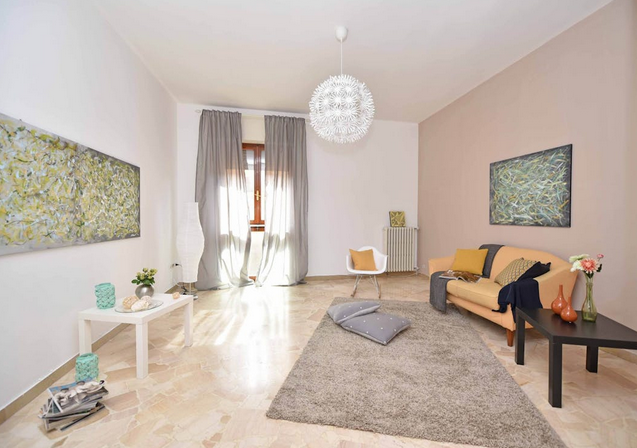
The living room is often considered the heart of a home. It’s where we gather with family, entertain friends, and unwind after a long day. A cozy and inviting space can transform ordinary moments into cherished memories. Whether you’re hosting a game night or curling up with a book, creating an environment that feels warm and welcoming is essential. Imagine soft lighting casting gentle shadows across your favorite couch while the scent of fresh coffee fills the air. This isn’t just about aesthetics; it’s about crafting an experience that makes everyone feel at ease. Let’s explore some simple yet effective ways to enhance your living room, making it the ultimate haven for relaxation and connection.

Choose a Warm Color Palette

When it comes to creating a cozy living room, the right color palette makes all the difference. Warm tones can instantly elevate the comfort level of your space. Think about rich earth tones like terracotta, soft browns, and muted yellows. These hues evoke feelings of warmth and relaxation. Adding splashes of deep reds or golden oranges can enhance that inviting atmosphere. Consider using paint, accents, or even artwork to bring these colors into your design. A featured wall in a warm shade can create a focal point while setting an overall inviting mood.

Consider Adding a Carpet

Perth carpet cleaning services should be on your list if you want to add a carpet in your living room. A carpet can transform your living room into a warm sanctuary. It adds texture and depth to the space, making it feel more intimate. Consider the size carefully. A larger carpet can anchor your furniture, bringing everything together beautifully. On the other hand, smaller rugs can create cozy zones within a bigger area. When choosing materials, think about comfort underfoot. However, you must clean your carpet to maintain freshness.

rug

Select Comfortable Furniture

Choosing the right furniture is crucial for creating a cozy living room. Comfort should be your top priority. Think about sofas that invite you to sink in and relax after a long day. Consider sectional sofas or oversized chairs, which offer ample seating for family and friends. Look for soft upholstery materials like velvet or chenille that feel great against the skin. Don’t forget about the importance of proper support. Test each piece before purchasing; sit, lean back, and see how it feels.

Add Seasonal Touches

Seasonal touches breathe life into your living room. They create an ever-evolving atmosphere that reflects the time of year. In spring, think of fresh florals and pastel hues. A vase of tulips can instantly brighten up any corner. In summer, consider light fabrics like linen for cushions or throws to create a breezy feel. As autumn approaches, embrace warm tones and textures. Swap out decor for rich oranges and deep reds. Cozy blankets draped over furniture invite relaxation during chilly evenings.

Creating a cozy and inviting living room is an art that combines comfort, style, and personal touches. By choosing a warm color palette, you set the stage for relaxation. Soft hues can make your space feel welcoming. Your living room is more than just another part of your home; it’s where memories are made. Crafting this special environment makes everyone who enters feel at ease and welcome. With thoughtful choices in colors, furnishings, and decor elements, your living space will truly become the heart of your home.

bed

Downright Heavenly Zen Bedroom Ideas to Try and Retreat NowDownright Heavenly Zen Bedroom Ideas to Try and Retreat Now

Are you feeling stressed and overwhelmed after a long day of work? Do you dream of coming home to a peaceful and calming space where you can unwind while rejuvenating your mind, body, and soul? If yes, then it’s time to transform your bedroom into a zen retreat that promotes restful sleep, inner peace, and positive energy. This self storage Oakleigh, if incorporated properly, can make your zen bedroom much better.

In this blog post, we’ll share some downright heavenly zen bedroom ideas that will help you create a tranquility oasis in your own home. From minimalist decor to nature-inspired elements and a balance of all five elements – we’ve got everything covered for you. So let’s get started on this journey toward ultimate relaxation.

A Distraction-Free Zone

When creating a zen bedroom, eliminating all distractions is the golden key. This means getting rid of anything that can disrupt your peace and quiet, such as clutter, electronics, and bright colors. Of course, you can start by removing any unnecessary items from your room. This will not only create more physical space but also clear your mind. Another way to minimize distractions in your bedroom is to banish all electronic devices from the sleeping area. This includes televisions, laptops, smartphones, or tablets that emit blue light and hinder melatonin secretion, an essential hormone that regulates sleep-wake cycles. For the paint job, go for neutral tones, which promote positivity and bravery.

bed

Monochrome

You can’t ever go wrong with monochrome, especially if you’re into a minimalist aesthetic for your Zen bedroom design. This approach involves utilizing different shades of the same color to create a harmonious and calming atmosphere. With monochrome, you can choose any color that resonates with you – whether it’s white, grey, beige, or black. You can elevate this look by incorporating textures like linen, wool, and cotton to add depth and interest. To prevent your space from looking flat or dull, try adding pops of complementary colors through accessories like throw pillows or artwork.

bed

Nature, Earthy Elements

Bringing nature inside your bedroom is a great way to bring in a peaceful and calming atmosphere. Including earthy elements such as plants, wooden furniture, and natural fabrics can help you feel more connected to the outdoors. Adding plants to your Zen-inspired bedroom can purify the air and reduce stress. When it comes to furniture, opting for wooden pieces adds warmth and texture. It’s not just a gimmick to choose sustainable wood sources that don’t harm the environment. Alternatively, you could repurpose old furniture pieces by giving them a new life with some sanding and paint.

bed

A Balance of All Five Elements

A Zen bedroom should provide a balance of all five elements to create a harmonious and relaxing space. The five fundamental elements are fire, earth, metal, water, and wood. Each element has its unique characteristics, which can be incorporated into your bedroom design. Fire brings warmth and passion to a room associated with the sun and light. In a Zen bedroom, you can incorporate fire by using warm colors like red or orange on pillows or throws. Earth represents stability and grounding. You can add earthy tones such as browns and greens through plants or natural materials like wooden furniture.

Metal is connected with clarity and focus. It’s represented in shades of white or silver, which you could use for decor details like lamps or frames. Water signifies calmness and tranquility. Blue hues evoke feelings of serenity, so they make an excellent choice for bedding pieces such as blankets or sheets. Wood symbolizes growth, flexibility, and strength, yet gentleness at the same time – perfect qualities for creating an inviting atmosphere in your zen retreat area! Incorporate this element through wooden furnishing pieces such as bed frames or shelves.

rodent

Rodent Control at Home: Keeping Mice and Rats Out of Your Living SpacesRodent Control at Home: Keeping Mice and Rats Out of Your Living Spaces

Rodents like mice and rats are unwelcome guests in any home. Not only can they cause damage to property and contaminate food, but they also pose health risks to humans. Effective rodent control is essential to maintain a clean and safe living environment. Bed bugs are tiny, nocturnal insects that feed on human blood and can be challenging to detect and eliminate. In this article, we’ll explore strategies for keeping mice and rats out of your living spaces in a friendly and informative tone.

Understanding the Threat

threat

Mice and rats are notorious for their ability to squeeze through tiny openings and thrive in various environments. They can enter homes through gaps in walls, floors, ceilings, windows, doors, and utility pipes. Once inside, they seek food, water, and shelter, often nesting in hidden areas such as attics, basements, crawl spaces, and wall voids. Understanding the threat that rodents pose is the first step in effective rodent control.

Prevention Tips

Preventing rodent infestations starts with eliminating entry points and denying rodents access to your home. Yes, you can also choose to hire bed bug detection dogs & extermination, but there are some preventive measures you can take.

  1. Seal Entry Points: Inspect your home for cracks, gaps, and openings that rodents can use to enter. Seal gaps around pipes, vents, utility lines, doors, and windows with caulking or steel wool.
  2. Trim Vegetation: Keep vegetation trimmed and away from the exterior of your home. Overgrown bushes, trees, and shrubs can provide hiding spots and pathways for rodents to access your property.
  3. Secure Food Sources: Store food in airtight containers and avoid leaving food crumbs or spills unattended. Keep kitchen counters, floors, and dining areas clean to eliminate food attractants for rodents.
  4. Proper Waste Management: Dispose of garbage regularly in sealed bins, and keep outdoor trash cans secured with tight-fitting lids. Rodents are attracted to food waste and garbage bins left open.
  5. Maintain Cleanliness: Keep living spaces, storage areas, attics, and basements clutter-free and well-organized. Remove piles of debris, old newspapers, cardboard boxes, and unused items that rodents can use as nesting materials.

trap

DIY Rodent Control Methods

If you suspect rodent activity, there are DIY methods you can try to control the problem:

  1. Traps: Place snap traps or live traps in areas where rodents are active, such as along walls, near entry points, or in dark corners. Check traps regularly and dispose of captured rodents humanely.
  2. Rodent Baits: Use rodent baits or bait stations strategically placed in areas frequented by rodents. Follow manufacturer instructions carefully and keep baits out of reach of children and pets.
  3. Natural Repellents: Consider using natural repellents like peppermint oil, mothballs, or ultrasonic devices to deter rodents from entering your home. However, keep in mind that these methods may have limited effectiveness and should be used in conjunction with other control measures.

Professional Rodent Control Services

fogging

For severe or persistent rodent infestations, seeking professional rodent control services is recommended. Pest control professionals have the expertise, tools, and knowledge to assess the extent of the infestation, implement targeted treatments, and provide long-term solutions to keep rodents out of your living spaces.

Rodent control at home is essential for maintaining a healthy and pest-free environment. By understanding the threat of mice and rats, implementing preventive measures, monitoring for signs of rodent activity, and using appropriate control methods, you can effectively keep rodents out of your living spaces. Whether through DIY efforts or professional assistance, taking proactive steps toward rodent control ensures a safe and comfortable home for you and your family.