The Anatomy of an Unbreakable Prison: How to Establish Top-Notch Security post thumbnail image

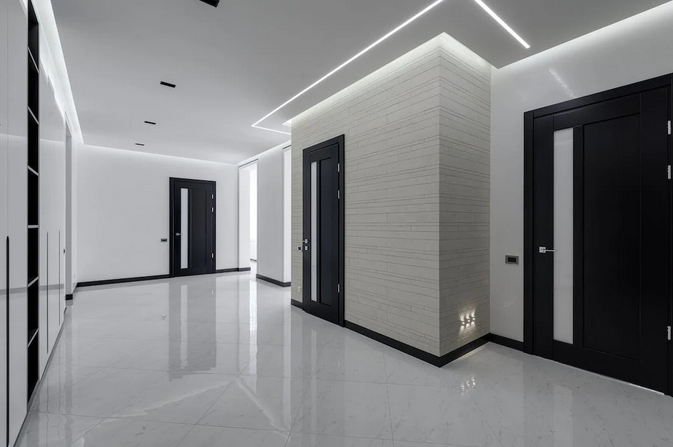
Have you ever thought about what it truly takes to construct a prison that cannot be breached? Many people might assume that it merely involves erecting tall walls, heavy doors, and robust bars. However, the layout of a prison that is impossible to breach is far more intricate than that. We’re referring to a stronghold designed to confine individuals like Kenneth Foster with every aspect carefully designed for optimal security. It’s an amalgamation of design, technology, and protocols that synergize to foster an environment that is nearly inescapable. But what lies behind the facility where kenneth foster mobile al stayed? And what are the essential elements that constitute a prison? Here’s the scoop.

Reinforced Concrete Walls

Reinforced concrete walls serve as the core defense mechanism in high-security prisons. They are specifically designed to withstand pressure and resist physical assaults, making them vital to preventing escapes. The combination of steel rebar and concrete forms a barrier that poses challenges to breach. These walls are often thicker than construction standards to provide an added layer of security. Additionally, reinforced concrete offers fire resistance, enhancing safety against potential hazards. During emergencies like fires or riots, these sturdy structures play a role in containing threats within designated areas. Architects strategically design these walls with openings to regulate visibility and access while prioritizing security. Every aspect is carefully considered when managing inmates who might attempt to escape or engage in violent behavior.


Multi-Layered Perimeter Security

In today’s prisons, having security measures in place is crucial. It acts as a strong shield against potential breaches. The initial layer often consists of tall walls with barbed wire or electric fencing on top. These physical barriers are supported by motion sensors and alarms that can swiftly detect any unauthorized movements. Then comes the aspect of surveillance. Cameras are strategically positioned around the perimeter, leaving no blind spots. Cutting-edge technology enables license plate recognition and tracking, adding an extra layer to security measures. Furthermore, redundancy plays a role. Each layer is built to function independently but operates most effectively when seamlessly integrated into a unified system. This approach guarantees that even if one component malfunctions, others continue to work to protect the facility efficiently.

Underground Detectors

These systems are specifically developed to detect any unauthorized tunneling attempts by inmates or external individuals. Their purpose is to uphold the security of prison boundaries, which is crucial for ensuring safety. With technology at their disposal, these detectors can pick up vibrations and disruptions below the ground. They have the capability to distinguish between natural seismic events and human actions, sending immediate notifications to personnel. Furthermore, they can be combined with security features such as sophisticated surveillance cameras and motion sensors. This integration forms an all-encompassing defense network that keeps an eye on both the surface and what is hidden below.

Underground Detectors

Remote Lockdown Capabilities

The introduction of remote lockdown features has transformed how prisons ensure safety. These advanced systems enable quick reactions to possible security breaches, eliminating the need for staff to be present. Guards can swiftly secure areas within a facility with just a few clicks. This prompt response minimizes risks and aids in upholding control during tumultuous moments. The integration of technology with current systems is smooth. Sensors and alarms activate lockdown protocols, minimizing the chance of mistakes.

Wrapping Up

Constructing a prison involves careful consideration and the incorporation of advanced technology. Every aspect of security is vital in establishing a setting that is both invulnerable and practical. These elements work in harmony to create a stronghold tailored specifically for safety purposes, safeguarding those within its premises while also managing potentially turbulent circumstances beyond its boundaries.

Related Post

rodent

Rodent Control at Home: Keeping Mice and Rats Out of Your Living SpacesRodent Control at Home: Keeping Mice and Rats Out of Your Living Spaces

Rodents like mice and rats are unwelcome guests in any home. Not only can they cause damage to property and contaminate food, but they also pose health risks to humans. Effective rodent control is essential to maintain a clean and safe living environment. Bed bugs are tiny, nocturnal insects that feed on human blood and can be challenging to detect and eliminate. In this article, we’ll explore strategies for keeping mice and rats out of your living spaces in a friendly and informative tone.

Understanding the Threat

threat

Mice and rats are notorious for their ability to squeeze through tiny openings and thrive in various environments. They can enter homes through gaps in walls, floors, ceilings, windows, doors, and utility pipes. Once inside, they seek food, water, and shelter, often nesting in hidden areas such as attics, basements, crawl spaces, and wall voids. Understanding the threat that rodents pose is the first step in effective rodent control.

Prevention Tips

Preventing rodent infestations starts with eliminating entry points and denying rodents access to your home. Yes, you can also choose to hire bed bug detection dogs & extermination, but there are some preventive measures you can take.

  1. Seal Entry Points: Inspect your home for cracks, gaps, and openings that rodents can use to enter. Seal gaps around pipes, vents, utility lines, doors, and windows with caulking or steel wool.
  2. Trim Vegetation: Keep vegetation trimmed and away from the exterior of your home. Overgrown bushes, trees, and shrubs can provide hiding spots and pathways for rodents to access your property.
  3. Secure Food Sources: Store food in airtight containers and avoid leaving food crumbs or spills unattended. Keep kitchen counters, floors, and dining areas clean to eliminate food attractants for rodents.
  4. Proper Waste Management: Dispose of garbage regularly in sealed bins, and keep outdoor trash cans secured with tight-fitting lids. Rodents are attracted to food waste and garbage bins left open.
  5. Maintain Cleanliness: Keep living spaces, storage areas, attics, and basements clutter-free and well-organized. Remove piles of debris, old newspapers, cardboard boxes, and unused items that rodents can use as nesting materials.

trap

DIY Rodent Control Methods

If you suspect rodent activity, there are DIY methods you can try to control the problem:

  1. Traps: Place snap traps or live traps in areas where rodents are active, such as along walls, near entry points, or in dark corners. Check traps regularly and dispose of captured rodents humanely.
  2. Rodent Baits: Use rodent baits or bait stations strategically placed in areas frequented by rodents. Follow manufacturer instructions carefully and keep baits out of reach of children and pets.
  3. Natural Repellents: Consider using natural repellents like peppermint oil, mothballs, or ultrasonic devices to deter rodents from entering your home. However, keep in mind that these methods may have limited effectiveness and should be used in conjunction with other control measures.

Professional Rodent Control Services

fogging

For severe or persistent rodent infestations, seeking professional rodent control services is recommended. Pest control professionals have the expertise, tools, and knowledge to assess the extent of the infestation, implement targeted treatments, and provide long-term solutions to keep rodents out of your living spaces.

Rodent control at home is essential for maintaining a healthy and pest-free environment. By understanding the threat of mice and rats, implementing preventive measures, monitoring for signs of rodent activity, and using appropriate control methods, you can effectively keep rodents out of your living spaces. Whether through DIY efforts or professional assistance, taking proactive steps toward rodent control ensures a safe and comfortable home for you and your family.

bed

Downright Heavenly Zen Bedroom Ideas to Try and Retreat NowDownright Heavenly Zen Bedroom Ideas to Try and Retreat Now

Are you feeling stressed and overwhelmed after a long day of work? Do you dream of coming home to a peaceful and calming space where you can unwind while rejuvenating your mind, body, and soul? If yes, then it’s time to transform your bedroom into a zen retreat that promotes restful sleep, inner peace, and positive energy. This self storage Oakleigh, if incorporated properly, can make your zen bedroom much better.

In this blog post, we’ll share some downright heavenly zen bedroom ideas that will help you create a tranquility oasis in your own home. From minimalist decor to nature-inspired elements and a balance of all five elements – we’ve got everything covered for you. So let’s get started on this journey toward ultimate relaxation.

A Distraction-Free Zone

When creating a zen bedroom, eliminating all distractions is the golden key. This means getting rid of anything that can disrupt your peace and quiet, such as clutter, electronics, and bright colors. Of course, you can start by removing any unnecessary items from your room. This will not only create more physical space but also clear your mind. Another way to minimize distractions in your bedroom is to banish all electronic devices from the sleeping area. This includes televisions, laptops, smartphones, or tablets that emit blue light and hinder melatonin secretion, an essential hormone that regulates sleep-wake cycles. For the paint job, go for neutral tones, which promote positivity and bravery.

bed

Monochrome

You can’t ever go wrong with monochrome, especially if you’re into a minimalist aesthetic for your Zen bedroom design. This approach involves utilizing different shades of the same color to create a harmonious and calming atmosphere. With monochrome, you can choose any color that resonates with you – whether it’s white, grey, beige, or black. You can elevate this look by incorporating textures like linen, wool, and cotton to add depth and interest. To prevent your space from looking flat or dull, try adding pops of complementary colors through accessories like throw pillows or artwork.

bed

Nature, Earthy Elements

Bringing nature inside your bedroom is a great way to bring in a peaceful and calming atmosphere. Including earthy elements such as plants, wooden furniture, and natural fabrics can help you feel more connected to the outdoors. Adding plants to your Zen-inspired bedroom can purify the air and reduce stress. When it comes to furniture, opting for wooden pieces adds warmth and texture. It’s not just a gimmick to choose sustainable wood sources that don’t harm the environment. Alternatively, you could repurpose old furniture pieces by giving them a new life with some sanding and paint.

bed

A Balance of All Five Elements

A Zen bedroom should provide a balance of all five elements to create a harmonious and relaxing space. The five fundamental elements are fire, earth, metal, water, and wood. Each element has its unique characteristics, which can be incorporated into your bedroom design. Fire brings warmth and passion to a room associated with the sun and light. In a Zen bedroom, you can incorporate fire by using warm colors like red or orange on pillows or throws. Earth represents stability and grounding. You can add earthy tones such as browns and greens through plants or natural materials like wooden furniture.

Metal is connected with clarity and focus. It’s represented in shades of white or silver, which you could use for decor details like lamps or frames. Water signifies calmness and tranquility. Blue hues evoke feelings of serenity, so they make an excellent choice for bedding pieces such as blankets or sheets. Wood symbolizes growth, flexibility, and strength, yet gentleness at the same time – perfect qualities for creating an inviting atmosphere in your zen retreat area! Incorporate this element through wooden furnishing pieces such as bed frames or shelves.

caution

Demolition Dangers: Why You Can’t Skip Asbestos InspectionsDemolition Dangers: Why You Can’t Skip Asbestos Inspections

When it comes to demolition, the focus often lies on structural integrity and project timelines. However, lurking beneath surfaces in older buildings is a hidden danger: asbestos. This naturally occurring mineral has long been known for its hazardous health risks. Yet, many still overlook the importance of thorough inspections before tearing down walls or floors. Asbestos doesn’t just pose an immediate threat; it can have lasting effects on both human health and the environment. Ignoring its presence may seem like an easy shortcut, but this decision could lead to severe consequences that far outweigh any perceived benefits.

Let’s unpack why skipping asbestos inspections should never be an option when planning a demolition project. If tackling asbestos feels overwhelming, letting the experts from asbestosremovaldisposal.com.au handle it safely and efficiently can help you focus on your project with peace of mind.

Hidden Asbestos Risks in Older Buildings

Many older buildings were constructed with materials containing asbestos. This was a common practice before the health risks became widely recognized. Consequently, it can be found in insulation, floor tiles, and even roofing materials. The danger lies in its undetectable nature. Asbestos fibers are microscopic and easily disturbed during demolition. Once released into the air, they pose a serious inhalation risk. Homeowners and contractors often underestimate how pervasive this hazardous material can be. Even seemingly harmless renovations could unearth hidden asbestos deposits tucked away behind walls or beneath surfaces. As time passes, these older structures may deteriorate further, increasing the likelihood of exposure to dangerous fibers. Identifying and managing these risks through professional inspections is crucial for ensuring safety throughout any demolition process.

Severe Health Consequences

Asbestos exposure can lead to serious health issues. When fibers are inhaled, they settle in the lungs and cause inflammation over time. This often results in devastating diseases. One such condition is mesothelioma, a rare but aggressive cancer directly linked to asbestos exposure. Symptoms may not appear until decades later, making early diagnosis challenging. Lung cancer is another significant risk associated with asbestos. Those who smoke and are exposed face an even greater danger than non-smokers. Asbestosis, a chronic lung disease caused by prolonged inhalation of asbestos particles, leads to shortness of breath and persistent cough. Individuals suffering from asbestosis endure a lower quality of life and increased healthcare needs. These health consequences highlight the urgent need for thorough inspections before any demolition work begins. Ignoring this crucial step puts everyone at risk—workers, neighbors, and future occupants alike.

Environmental Contamination Risks

Environmental Contamination Risks

Demolition activities can disturb hazardous materials, releasing harmful asbestos fibers into the air. Once airborne, these tiny particles pose a significant risk to public health and the environment. Asbestos doesn’t just affect those on-site; it can travel far beyond demolition boundaries. Wind and weather conditions play a huge role in dispersing these contaminants throughout neighborhoods. This puts residents, workers, and even wildlife at risk. Water sources are also at stake. If asbestos finds its way into drainage systems or local water supplies during demolition, the consequences could be dire. Contaminated water is a serious concern that impacts entire communities. Ignoring proper inspections before any demolition work increases this environmental threat exponentially. It’s not just about safety for today—it’s about protecting our ecosystems for future generations as well.

Legal and Financial Repercussions

Neglecting asbestos inspections during demolition can lead to serious legal issues. If hazardous materials are disturbed, property owners may face hefty fines. Regulatory bodies impose strict guidelines for handling asbestos, and non-compliance is rarely overlooked. Financial repercussions can be steep as well. Cleanup costs often skyrocket when violations occur, especially if clean-up crews must be hired on short notice. Moreover, lawsuits from affected workers or neighboring properties can drain resources quickly. Insurance claims may also become complicated. Many policies exclude coverage related to asbestos exposure if proper inspections weren’t conducted beforehand. The ripple effect of ignoring safety protocols extends beyond immediate expenses. Your reputation in the community could suffer long-term consequences too, affecting future projects or investments significantly.

The Cost of Ignoring Safety Measures

Ignoring safety measures during demolition can lead to significant financial repercussions. When asbestos is present, the costs of remediation can escalate rapidly. First, there are immediate expenses related to emergency responses and cleanup efforts. If an incident occurs, hiring specialized professionals becomes necessary, often at a premium rate.  Then there’s the potential for lawsuits if workers or bystanders experience health issues due to negligence. Legal fees and settlements can drain resources quickly.

Insurance premiums may also rise following a claim linked to hazardous materials exposure. This could impact future project budgets significantly. Additionally, fines from regulatory agencies for non-compliance with safety standards add another layer of cost.  When you weigh these factors against the expense of conducting thorough inspections beforehand, it’s clear that cutting corners doesn’t save money in the long run; it merely shifts risk onto your shoulders.